
Buying a bungalow in Penang is often the easy part.
The real complexity begins after the keys are handed over.
Across areas such as George Town, Tanjung Bungah, and Bayan Lepas, rebuilding today is no longer a simple renovation exercise. It involves coordination across design planning, structural requirements, regulatory approvals, and construction execution — all of which must align to avoid delays and cost overruns.
As of 2026, the construction environment in Penang has become more structured. Approval processes, compliance requirements, and expectations for build quality have all increased, making early planning more critical than ever.
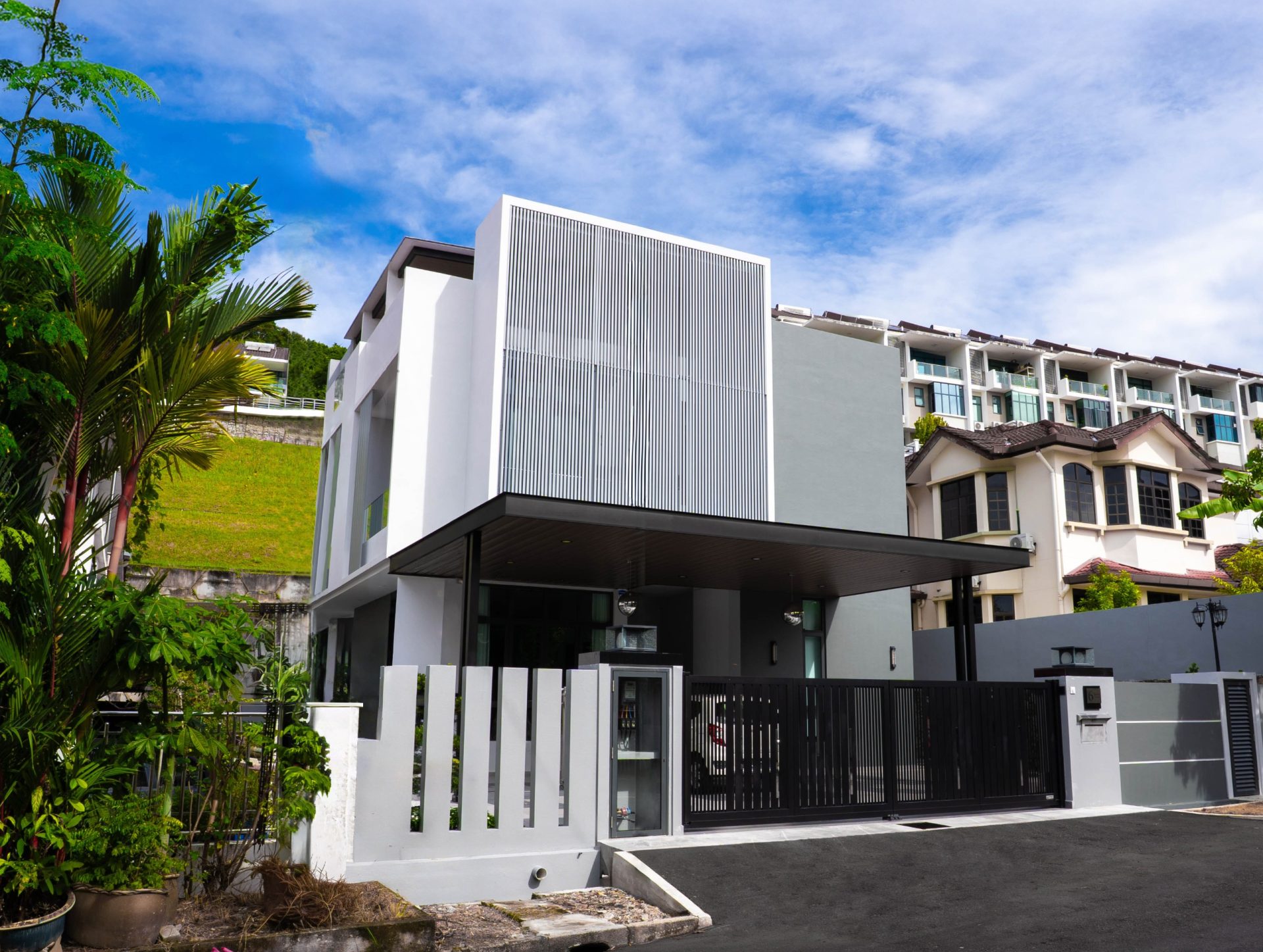

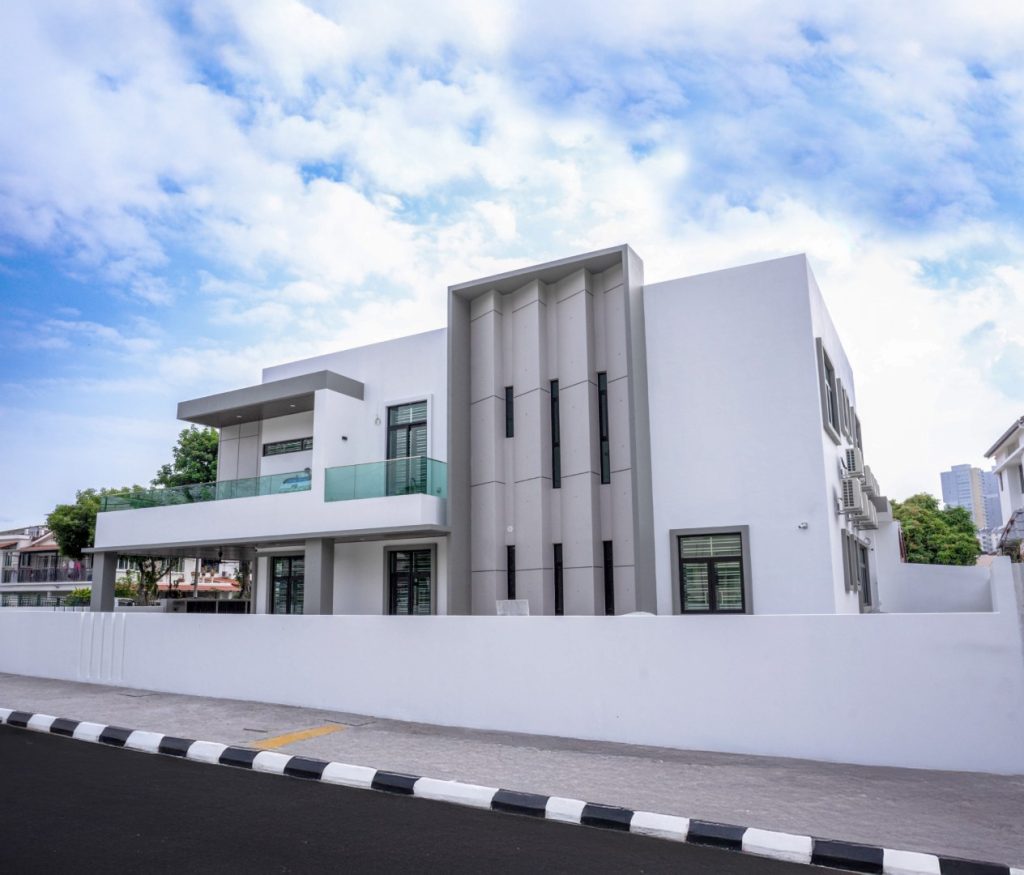
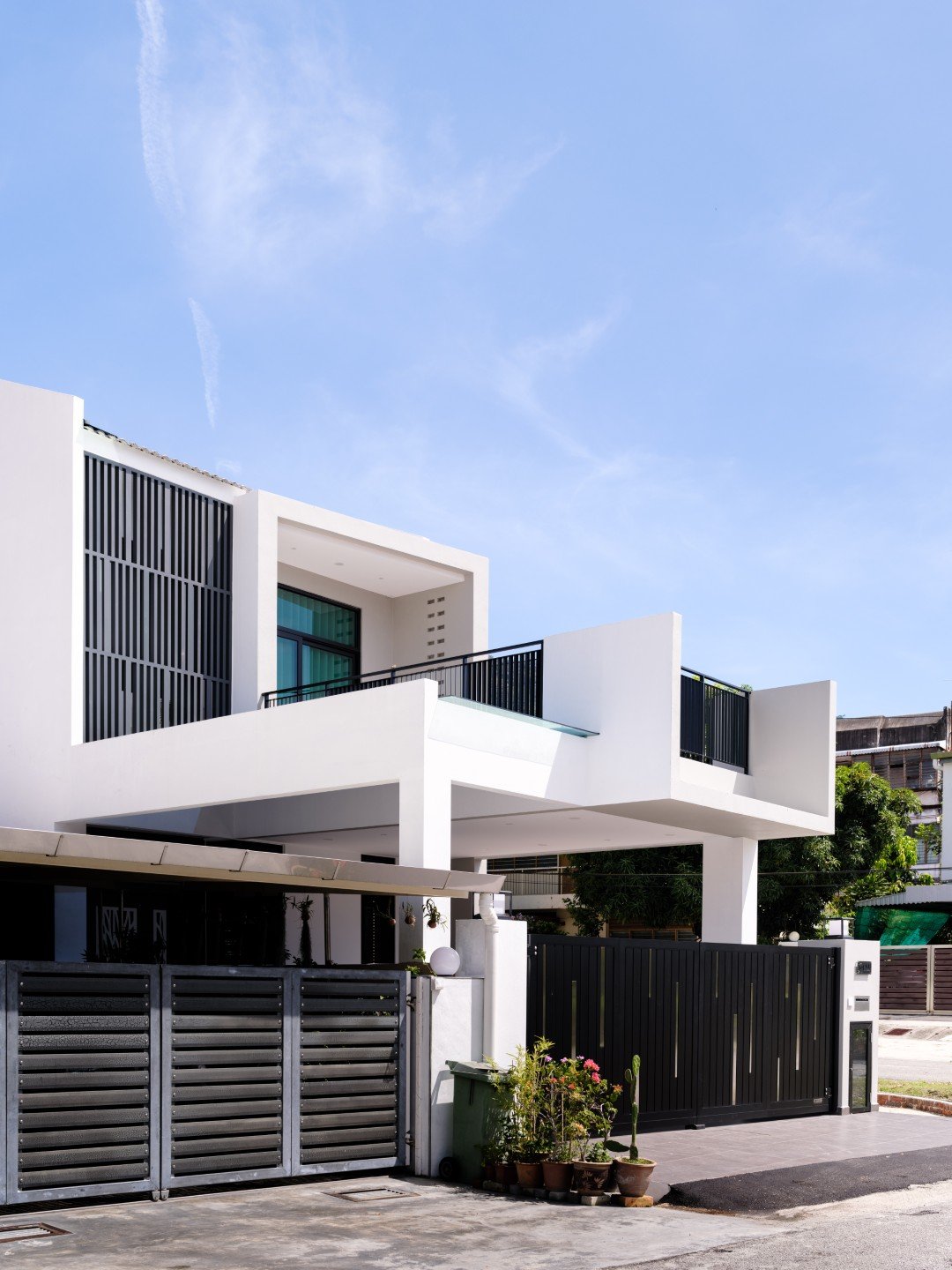
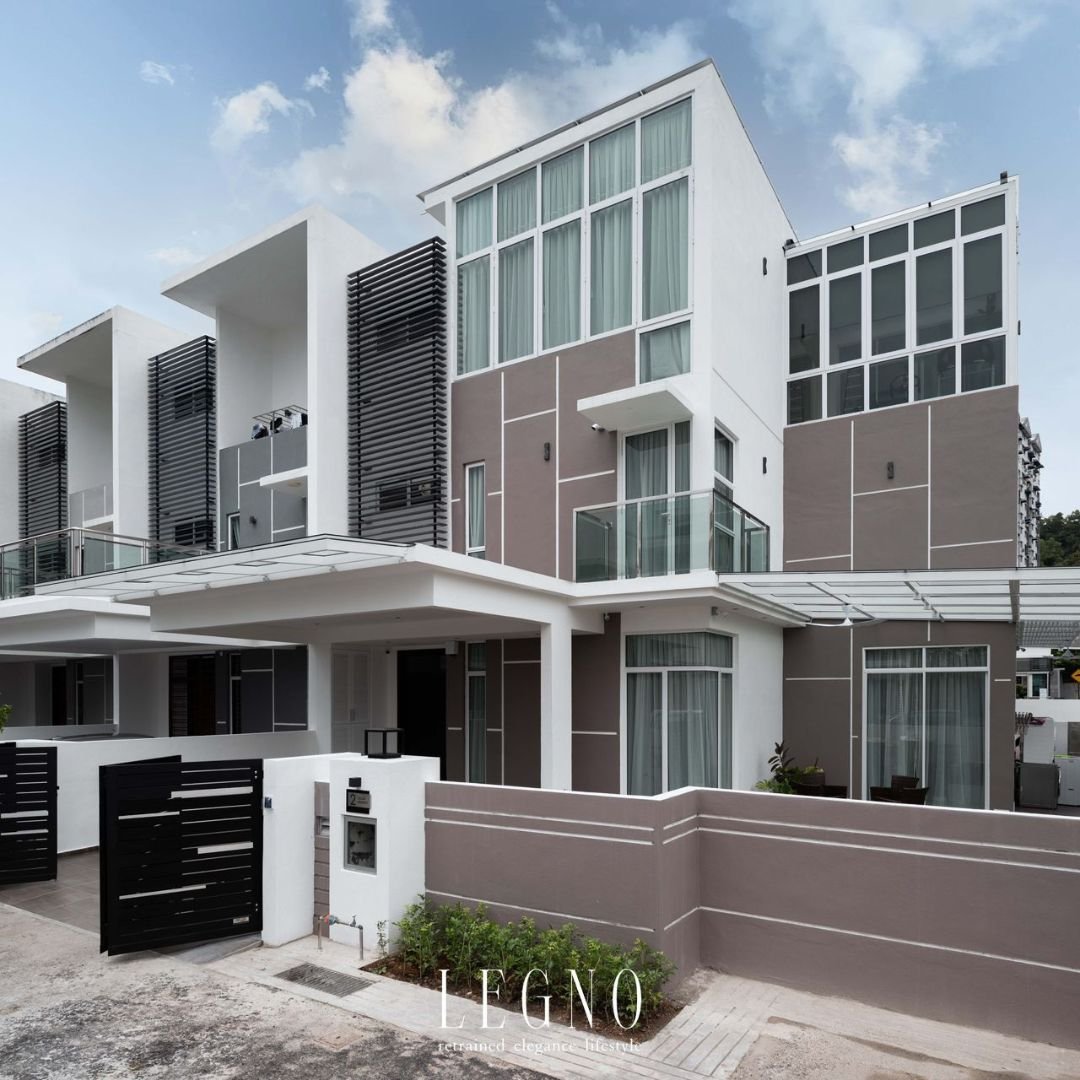
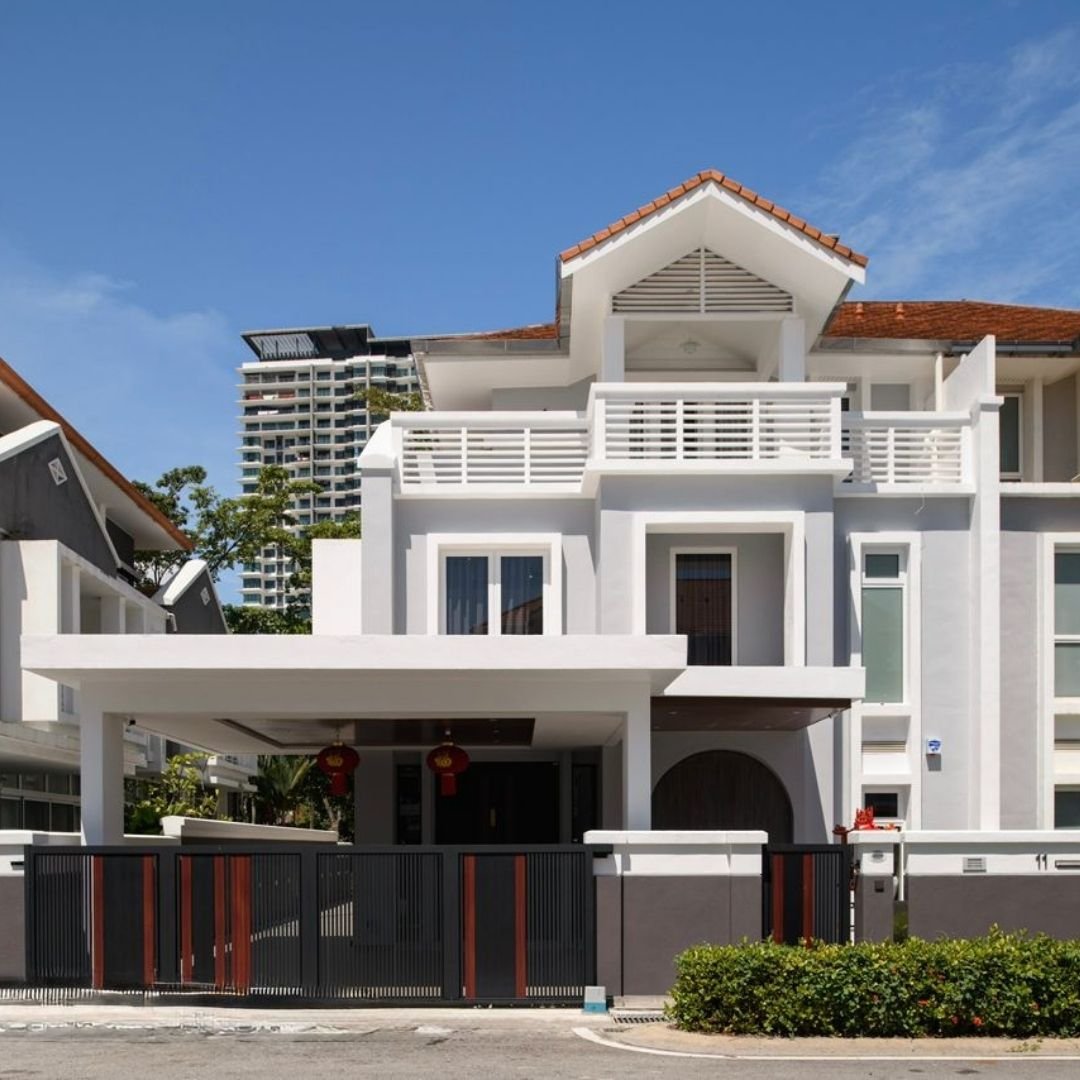
A More Integrated Way of Managing Projects
Traditionally, homeowners tend to separate:
• Design
• Authority submission
• Construction
In practice, these stages are closely interconnected.
If early design does not consider structural or regulatory requirements, submissions may be delayed. If construction begins without alignment to earlier planning, on-site changes become frequent — affecting both timeline and cost.
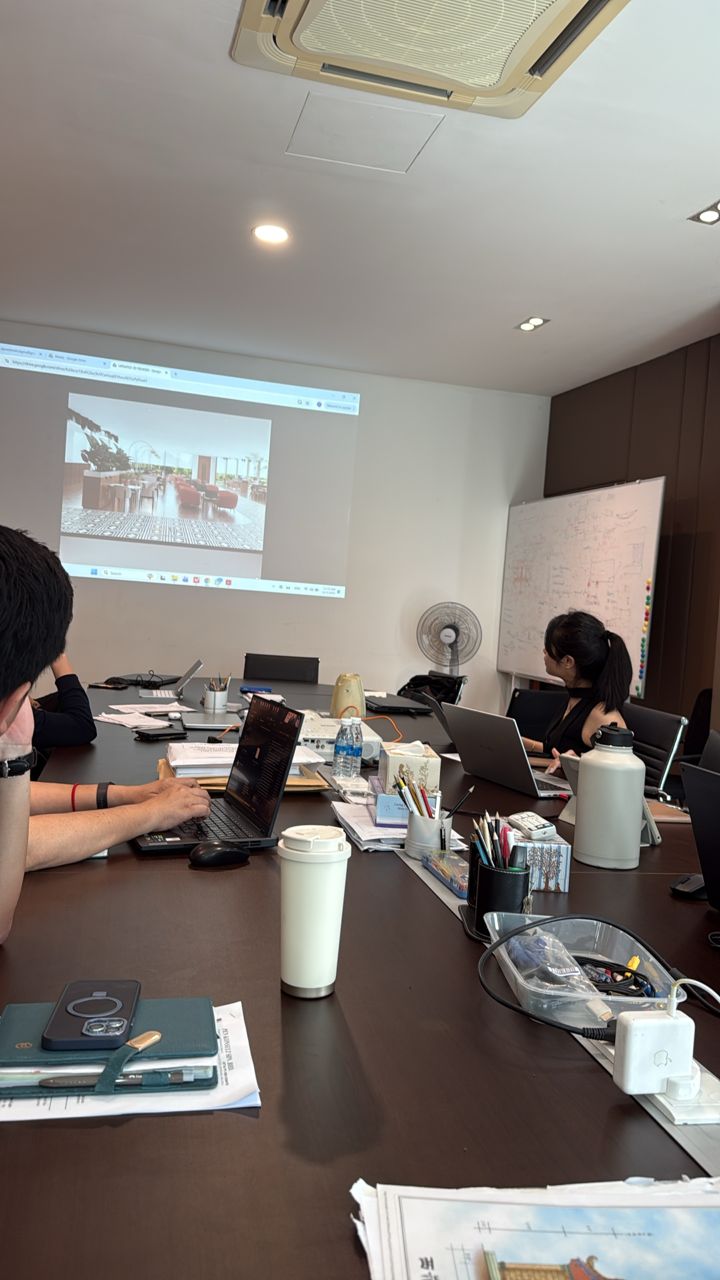
Because of this, more projects today are approached as a continuous, coordinated process, where all stages are planned together from the beginning.
Typical Project Timeline
A full bungalow reconstruction in Penang typically takes around 16 to 27 months, depending on project complexity and approval requirements.
Stage 1: Planning & Approvals (1–9 months)
This stage includes:
• Site assessment and initial planning
• Layout and design development
• Structural coordination
• Preparation and submission of required documents
Approval timelines vary depending on whether the project falls under planning permission (KM) or standard building plan submission.
⸻
Stage 2: Construction (6–12 months)
This phase generally covers:
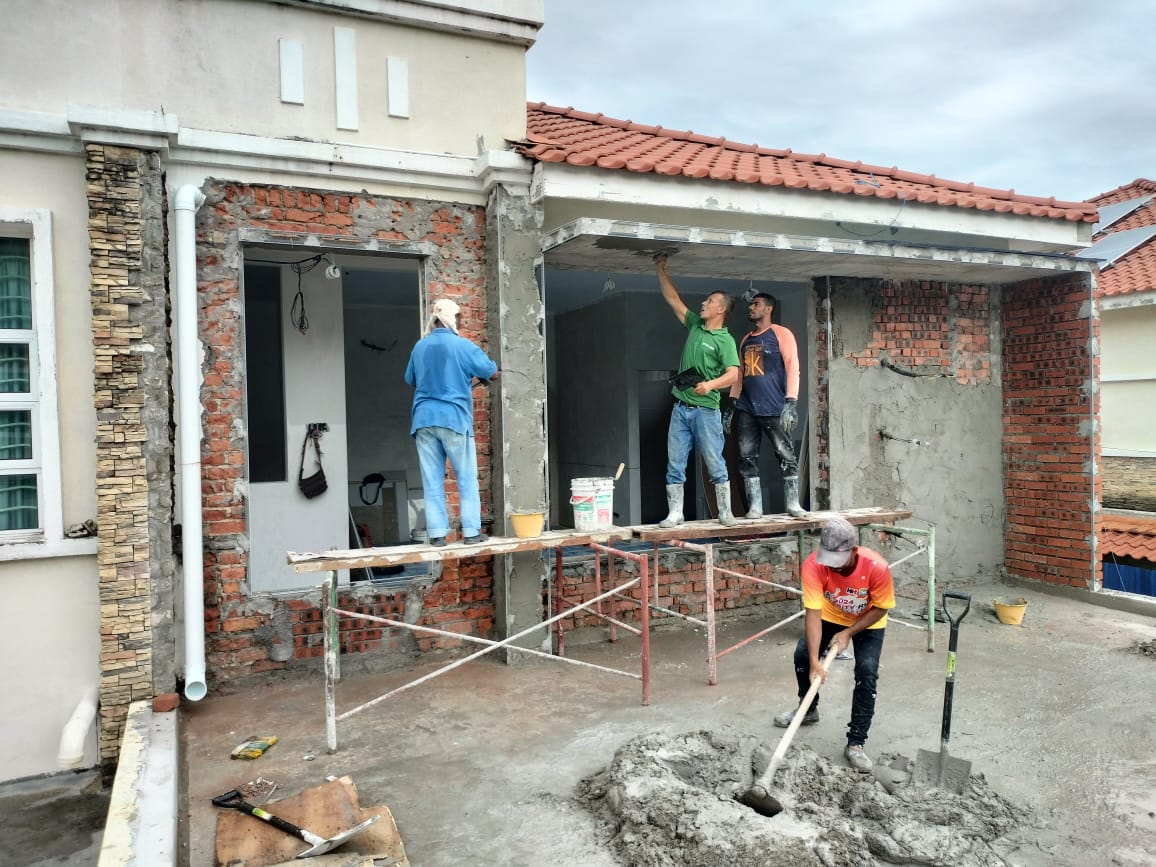
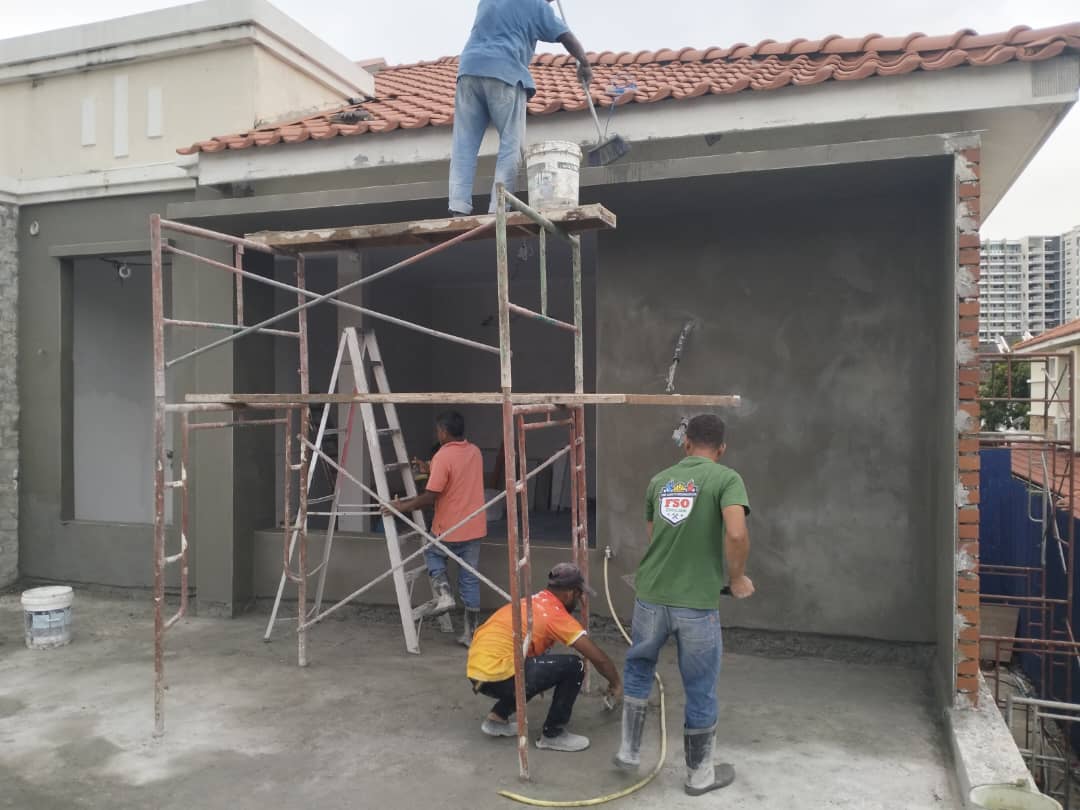
• Demolition and site preparation
• Foundation and structural works
• Mechanical and electrical systems
• Roof and external envelope
The completion process includes inspections and coordination towards CCC (Certificate of Completion and Compliance).
⸻
Stage 3: Interior Fit-Out (3–6 months)
Final stage includes:
• Cabinetry and built-in works
• Finishes (flooring, walls, ceilings)
• Lighting and detailing
• Testing, rectification, and handover
Projects that align design and construction decisions early tend to move more smoothly at this stage.

Regulatory & Submission Considerations
All reconstruction works in Penang must be approved by the relevant local authority (MBPP or MBSP) through the OSC system.
Two general submission paths apply:
1. Major Reconstruction (Kebenaran Merancang – KM)
Required when:
• The structure is significantly rebuilt or demolished
• Floor area increases substantially
These submissions involve multiple technical departments and typically take longer to process.
2. Extensions & Minor Works (Building Plan Submission)
Applicable when:
• The main structure is retained
• Changes are within allowable limits
Approval is generally faster, but still subject to planning and setback requirements.
Technical Coordination
Depending on the project scope, planning may involve:
• Architectural design compliance
• Structural considerations
• Utility and infrastructure coordination
• Fire safety considerations (case-dependent)
Because multiple technical requirements are involved, coordination across disciplines plays a key role in avoiding delays or resubmissions.

Cost Overview
Base Construction Cost
In Penang, general construction costs typically range from:
RM200 – RM350 per sq.ft (basic structure and building works)
| For example: 3,000 sq.ft house → approximately RM600k – RM1.05M (base build only) |
This excludes:
• High-end finishes
• Complex façade design
• Full interior design integration
Why Early Cost Estimates Can Change
One common misunderstanding is expecting accurate pricing before site conditions are fully known.
At early stages, several factors remain uncertain:
• Structural condition of existing building
• Soil and foundation requirements
• Hidden defects or aging systems
As a result, early estimates are usually indicative and become more reliable only after:
1. Site investigation
2. Structural verification
3. Finalised design and specifications
This is a normal part of reconstruction projects and not necessarily a reflection of contractor inconsistency. 
Sustainability & Current Trends
There is increasing emphasis in Malaysia on:
• Energy-efficient design
• Water conservation
• Sustainable material selection
For residential projects, features such as solar readiness, rainwater harvesting, and efficient systems are increasingly encouraged, although requirements may vary depending on project type and authority guidelines.
Why Coordination Matters
The biggest challenge in reconstruction is not just cost — it is execution and coordination.
Projects that are well-managed typically have:
• Clear documentation and workflow
• Consistent quality control
• Better coordination between all parties
• More predictable timelines
Ultimately, project success depends less on individual roles, and more on how well the entire process is aligned from planning through to completion.
Rebuilding a home is a significant undertaking.
With proper planning, structured coordination, and realistic expectations, the process becomes far more controlled — resulting in a home that is not only well-designed, but also well-executed.
FAQ: People Also Ask
Q: Can I start demolition while waiting for Building Plan approval?
A: No. You should not begin any demolition or construction until the local council has approved the planning and building plans. Starting work early may result in fines and an official stop‑work order.
Q: Can I rebuild my bungalow without MBPP approval if I don’t change the footprint?
A: No. Any major structural change, including replacing the roof truss, adding an extension, or altering the facade, requires a Building Plan approval from MBPP/MBSP. Proceeding without it can lead to heavy fines or a “Stop Work” order.
Q: Why is CIDB G5 certification important?
A: CIDB grading sets the maximum contract value a contractor is legally authorised to execute. A Grade G5 contractor may undertake projects up to RM 5 million, so confirming your contractor’s grade ensures they are qualified for the size of your project.
Ready to Rebuild the Right Way?
If you are planning to reconstruct or redesign your bungalow, working with a professional interior design company in Penang ensures your project is managed safely, aesthetically, and legally.
At LEGNO, we combine architectural planning, interior design expertise, regulatory coordination, and structured project governance — delivering homes that are not only beautiful, but built to last.
Choosing who to appoint for the work? Start with the Best Interior Design Companies in Penang (2026 Edition).


